How Businesses Can Use the Sustainable Development Goals
In the ever-evolving sustainability landscape, the United Nations Sustainable Development Goals, commonly known as the SDGs, stand as a shared framework for global progress.
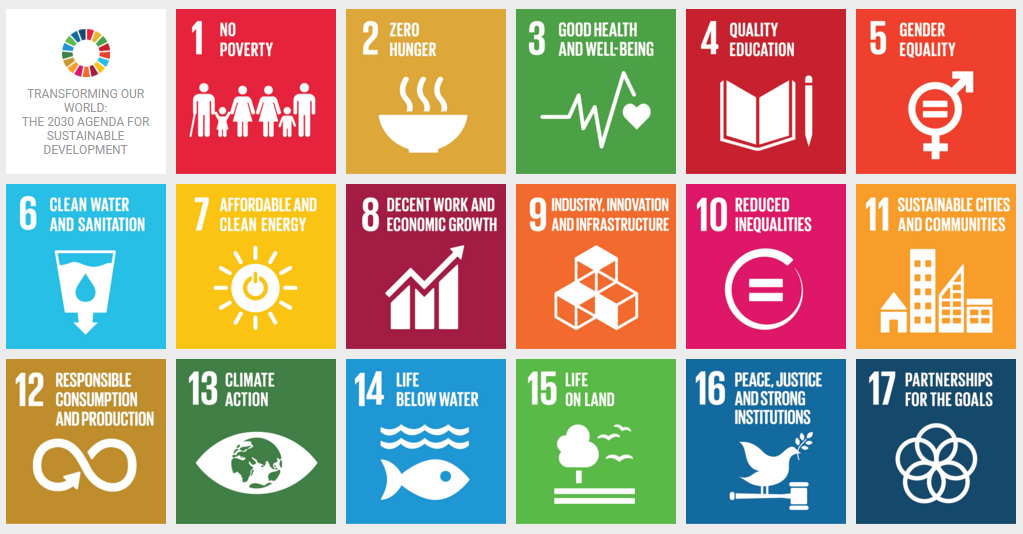
For sustainability professionals and corporate managers, these 17 goals and 169 targets are more than buzzwords. They provide a roadmap for addressing pressing environmental, social and economic challenges while supporting long-term sustainable development.
In the Australian context, the Sustainable Development Goals align closely with priorities such as climate action, gender equality, decent work, responsible consumption and stronger communities. As a result, many businesses use the SDGs as a framework for shaping their sustainability strategies and communicating their contribution to broader global outcomes.
However, meaningful SDG implementation requires more than adding colourful icons to a sustainability report. Businesses need to understand which goals are relevant, how their activities connect with specific SDG targets and how progress will be measured transparently.
The Spectrum of SDG Adoption in Business
In today’s corporate world, integrating sustainability is not simply considered good practice. It can also support stronger risk management, stakeholder relationships, employee engagement and long-term competitiveness.
Many organisations have embraced the Sustainable Development Goals, but the depth of this integration varies significantly.
Some companies simply “tie”, “align with” or “map back” their existing sustainability activities to the SDGs without fully understanding the framework or the individual targets behind each goal.
This raises an important question: are the SDGs becoming a marketing tool and an additional reporting burden, rather than a framework for driving meaningful change?
At the same time, we are seeing more organisations take a comprehensive approach to SDG implementation, including within Australia’s ASX 200 community. These businesses are increasingly connecting relevant goals with strategy, performance measures and sustainability reporting.
Regardless of the approach, it is encouraging to see more businesses exploring the SDGs, sometimes alongside other sustainability frameworks, and considering how their operations can contribute to global progress.
To help you decide whether integrating the SDGs is appropriate for your business, we have outlined several key observations and practical recommendations.
Public Perception: The Good, the Bad and the Genuine
Public perception of businesses adopting the SDGs can be mixed.
There is a growing expectation for companies to engage meaningfully with environmental and social issues. Genuine commitment, measurable action and transparent communication about SDG progress can attract positive recognition and support from employees, customers, investors and other stakeholders.
However, scepticism remains because of greenwashing and superficial engagement.
Today’s stakeholders are increasingly cautious about symbolic gestures. They want to see evidence that a business understands the goals it has selected and is taking practical steps to support them.
Businesses that use the SDGs mainly for marketing, without demonstrating credible action or measurable progress, risk losing trust.
The difference between genuine implementation and superficial alignment often comes down to three things:
- relevance to the organisation’s actual operations and impacts
- clear links to specific SDG targets and indicators
- transparent reporting of progress, limitations and negative impacts
Pros and Cons of Using the SDGs in Business
When considering SDG adoption, businesses need to weigh the benefits against the practical challenges.
On the positive side, the SDGs provide an easily recognisable sustainability framework that can help organisations:
- connect business activities with global sustainability priorities
- strengthen corporate reputation
- attract purpose-driven employees
- support stakeholder communication
- identify opportunities for collaboration
- build partnerships with governments, community groups and non-government organisations
However, adopting the SDGs is not without challenges.
Greenwashing remains a genuine concern, and integrating the goals into business strategy can require time, data and internal resources.
Businesses may also need to balance competing goals and recognise that a positive contribution in one area does not cancel out harm in another.
While the SDGs provide useful direction, they do not offer a complete corporate accountability or reporting system. Organisations may therefore use them alongside other relevant sustainability reporting frameworks and standards.
For sustainability professionals and corporate managers, the SDGs can create a valuable opportunity. However, they need to be implemented in a practical, transparent and intentional way.
Recommendation 1: Select SDGs Based on Your Operations
Only select Sustainable Development Goals that are genuinely relevant to your business.
For example, a construction company may identify connections with:
- SDG 6: Clean Water and Sanitation
- SDG 7: Affordable and Clean Energy
- SDG 8: Decent Work and Economic Growth
- SDG 9: Industry, Innovation and Infrastructure
- SDG 11: Sustainable Cities and Communities
- SDG 15: Life on Land
These goals may be relevant because construction activities can directly affect water, energy, employment, infrastructure, communities and biodiversity.
By contrast, SDG 2: Zero Hunger may have little connection with the organisation’s core activities unless it invests in sustainable agriculture, food security or food-relief programs.
You do not need to address all 17 goals.
The goals you select should be intentional and connected with your organisation’s operations, products, services, value chain and ability to influence outcomes.
Start by asking:
- Which SDGs are directly connected with our business activities?
- Where do we create positive impacts?
- Where might our operations create negative impacts?
- Which areas can we realistically influence?
- Which goals align with our broader sustainability strategy?
Recommendation 2: Track Meaningful SDG Metrics
Once relevant goals have been selected, track performance using meaningful and supportable metrics.
Your metrics should:
- be disclosed clearly and transparently
- avoid selective presentation or data manipulation
- relate to the targets and indicators within each selected SDG
- use a consistent calculation method
- show progress over time
It is not enough to say that a business supports a particular SDG because an initiative appears broadly connected with the goal.
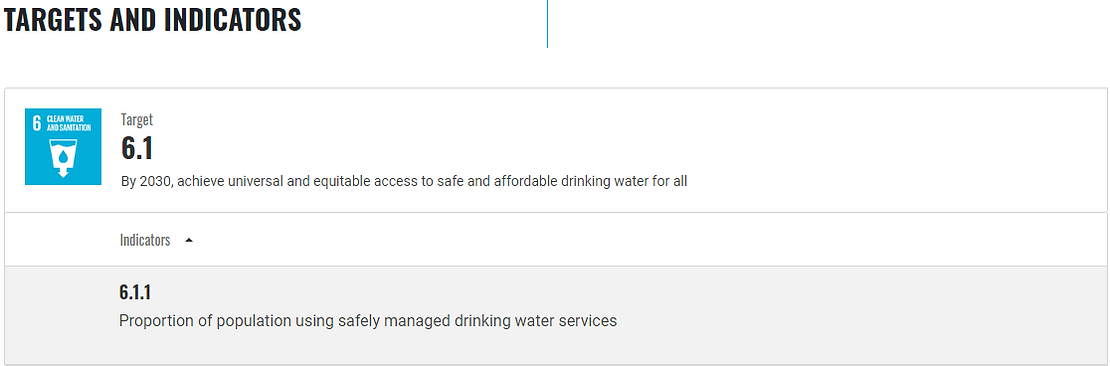
Where possible, identify the specific SDG target that relates to your activities and explain how your performance measure connects with it.
For example, rather than stating that your organisation supports responsible consumption, explain which waste, resource-use or procurement metric you are tracking and how that measure relates to the relevant SDG target.
This approach makes SDG reporting more credible and helps your organisation demonstrate progress from year to year.
(Source: un.org)
Recommendation 3: Integrate the SDGs With Organisational Values
Ensure your organisation understands the broader intent of the Sustainable Development Goals: to support peace, prosperity and a healthier planet for current and future generations.
If your business activities or future objectives conflict with this intent, and there is no credible plan to prevent, reduce or repair the harm, you should be cautious about reporting against the SDGs.
A business cannot credibly claim to support progress in one area while exploiting people, communities or the environment in another.
For example, an organisation may contribute to employment or economic growth, but that contribution should not be presented without considering working conditions, environmental impacts or supply-chain conduct.
Even when only a small number of SDGs are directly relevant to your industry, the organisation should consider whether its overall behaviour is consistent with the values behind the framework.
Values integration means asking:
- Are our sustainability claims consistent with our actual conduct?
- Are we acknowledging both positive and negative impacts?
- Are our selected SDGs reflected in decision-making?
- Do our business activities undermine progress elsewhere?
- Are we transparent about areas that still need improvement?
By genuinely committing to the SDGs, businesses can contribute to sustainable development while building trust with an increasingly informed and conscientious public.
Using the Sustainable Development Goals for Meaningful Action
The SDGs are not simply colourful boxes on a global to-do list. They are a call to action.
For sustainability professionals and corporate managers, they offer an opportunity to connect business strategy with wider global aspirations.
Their value does not come from displaying the icons. It comes from selecting relevant goals, understanding the underlying targets, tracking meaningful performance and reporting progress honestly.
As we navigate the complex sustainability landscape, it is worth remembering that the SDGs represent a shared vision of a better world. The decisions organisations make today will help shape the legacy left for future generations.
You can learn more through the United Nations Global Compact: The SDGs Explained for Business. You can also speak to one of our specialists for practical guidance on applying the Sustainable Development Goals within your sustainability strategy.