
Earth Day 2026: What is it, Why does it matter, and how can I help?
Every year on April 22, millions of people around the world come together to recognise Earth Day. A moment to reflect on our impact to the planet and consider what we can do to protect it.
What is Earth Day?
Every year on April 22, million of people come together to recognise Earth Day. A day to reflect on the climate crisis, and the impact that humanity has had on Planet Earth. It is a day to consider what can be done to protect our planet.
Although the major concern presently is climate change, Earth Day is also a day to reflect on and bring about behavioural change to protect the health our forests, biodiversity, oceans, freshwater systems, and soils.
Around the globe, the Earth Day organisation is working with more than 150,000 partners in over 192 countries to drive positive action for our planet (EarthDay.org). Communities come together to put on events, encouraging positive change for the future of our planet.
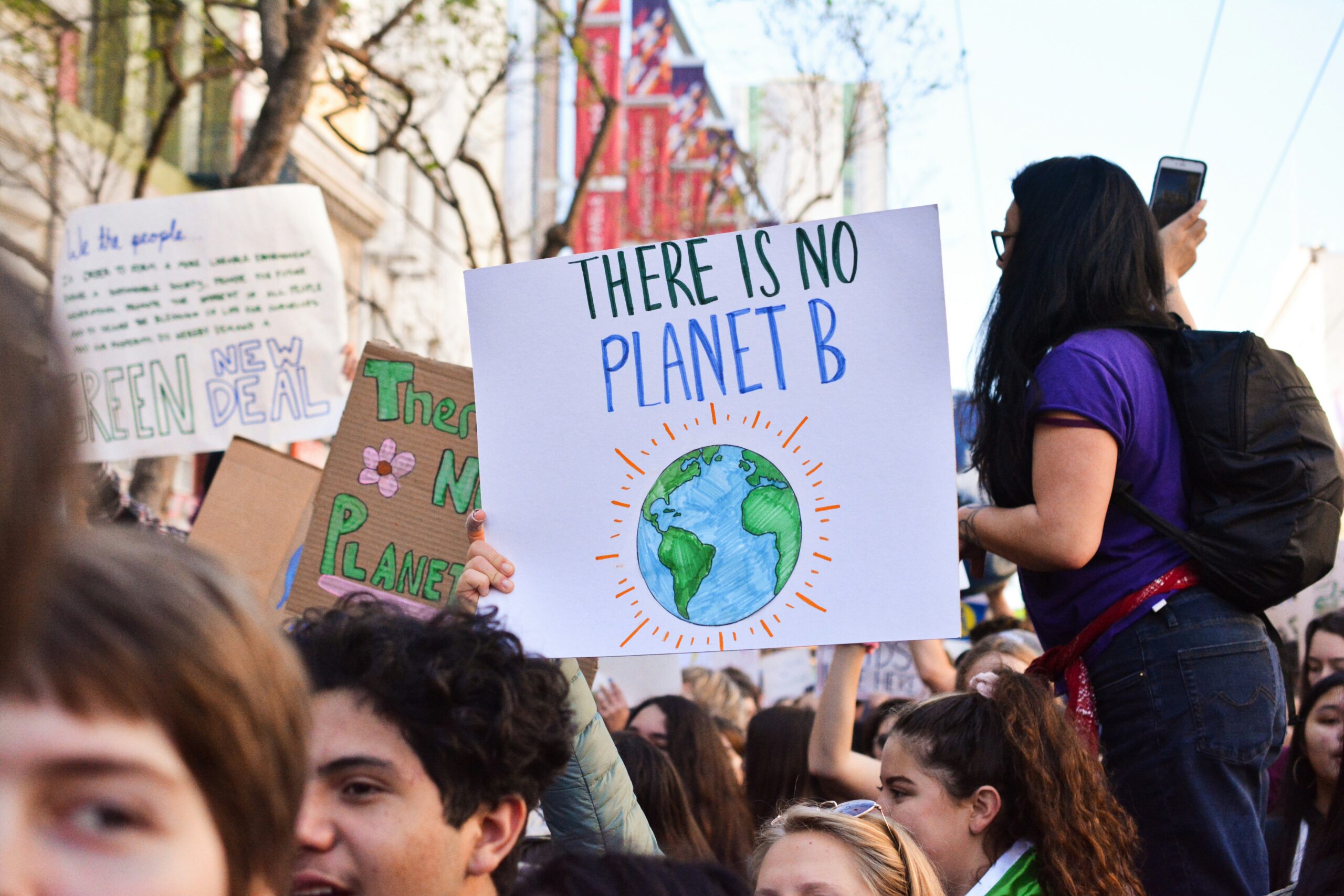
Participation in Earth Day can take many forms. From picking up litter, planting a native tree, to signing a petition or attending a locally organised event. No action is too big or too small.
This day brings together like-minded people to address urgent challenges.
 OUR POWER, OUR PLANET
This year’s Earth day theme, once again, is ‘Our Power, Our Planet.
This was also the theme for the previous Earth Day 2025, however it focused on clean power. This year, the focus has shifted to the power of action.
“ Our Power, Our Planet™ reflects a fundamental truth that transcends political cycles. Environmental stewardship has never depended on a single institution or election. It is sustained by the daily decisions of communities, educators, workers, innovators, and families who understand that protecting the places they live and love is both a responsibility and a long-term investment.”
The History of Earth Day
Earth Day was first celebrated in 1970 in the United States, at a time when environmental concerns were becoming increasingly visible. Industrial growth had led to rising pollution, with oil spills, smog, and contaminated waterways affecting both ecosystems and public health.
The movement was led by U.S. senator Gaylord Nelson, who sought to bring environmental issues into the national conversation. Inspired by the energy of student-led movements at the time, he helped organise a nationwide day of environmental action.
On April 22, 1970, more than 20 million Americans participated in rallies, protests, and educational events, making it one of the largest civic demonstrations in history. This widespread public engagement marked a turning point, elevating environmental protection as a political and social priority (The History of Earth Day).
One of the most significant outcomes of this first Earth Day was its influence on environmental policy. The scale of participation sent a clear message that environmental protection mattered, and governments responded.
In the United States, this momentum contributed to the establishment of the United States Environmental Protection Agency in 1970, alongside landmark legislation such as the Clean Air Act, Clean Water Act, and the Endangered Species Act. These policies laid the foundation for modern environmental regulation, helping to reduce pollution, protect ecosystems, and improve public health.
Earth Day quickly grew beyond the United States. By 1990, it had become a global event, mobilising hundreds of millions of people worldwide and helping to bring environmental issues onto the international agenda.
Why Earth Day still matters
More than 50 years on, Earth Day remains just as relevant, if not more so.
The scale and urgency of environmental challenges have increased significantly. Climate change is driving more extreme weather events, ecosystems are under pressure, and natural resources are being consumed at unsustainable rates. These issues are interconnected and far-reaching, affecting not only the environment, but also economic stability, human health, and social wellbeing.
Earth Day serves as a reminder that these challenges are not distant or abstract. They are happening now, and they require both immediate and long-term responses.
It also reinforces an important idea: that responsibility is shared. Governments, businesses, and individuals all play a role in shaping outcomes. While large-scale policy and investment are critical, everyday decisions. How we consume, work, travel, and operate collectively drive meaningful change.
For organisations, Earth Day can act as a checkpoint. A moment to reflect on sustainability commitments, assess progress, and identify opportunities to improve. For individuals, it is a chance to reset habits and think more consciously about environmental impact.
How you can get involved
One of the strengths of Earth Day is its accessibility, anyone can take part, and there is no single “right” way to contribute.
Here are some practical ways individuals and organisations can make a difference:
Make small, sustainable changes
Simple actions: reducing waste, recycling correctly, conserving water, and being mindful of energy use can significantly reduce environmental impact over time. While these changes may seem minor on their own, their collective effect is substantial.
Support responsible businesses
Choosing to engage with companies that prioritise sustainability sends a strong signal. Whether it’s sourcing environmentally responsible products or supporting organisations with transparent sustainability practices, consumer choices can influence broader market behaviour.
Engage in your workplace
For many, the workplace is a key area where change can happen. This could involve advocating for more sustainable practices, contributing to internal initiatives, or simply raising awareness among colleagues.
Participate in community initiatives
Local events such as clean-ups, tree planting, and conservation activities provide an opportunity to contribute directly while building a sense of shared responsibility within the community.
Stay informed and start conversations
Awareness is a powerful tool. Understanding environmental issues, and discussing them with others helps to keep sustainability front of mind and encourages broader engagement.
Looking ahead
Earth Day is more than a single date in the calendar. It is a reminder of the ongoing effort required to protect and sustain our planet.
The theme “Our Power, Our Planet” highlights that change is not limited to governments or large institutions. It exists in the everyday choices made by individuals, communities, and organisations around the world.
While the environmental challenges we face are complex, the path forward is shaped by consistent, collective action. Progress does not happen overnight, but it does happen through sustained effort.
Earth Day provides a moment to reflect, but more importantly, it encourages action beyond April 22. Because ultimately, the future of our planet depends on what we choose to do next.