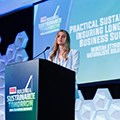

Sustainability-linked finance, ESG requirements and climate reporting regulations are changing how Australian businesses access capital and manage risk. Banks and investors increasingly consider climate risk, environmental performance and governance when assessing eligible projects and organisations.
These changes are particularly relevant to businesses operating in mining, construction, infrastructure and other sectors with significant environmental and social impacts. Companies that strengthen their ESG governance frameworks may be better prepared to meet financing requirements, reduce operational risks and maintain stakeholder trust.
Key developments include:
- Sustainability-linked finance is connecting some lending arrangements with measurable environmental, social and governance performance.
- Mining and construction businesses face closer scrutiny of emissions, biodiversity impacts, safety and sustainable procurement practices.
- Australia’s mandatory climate-related financial reporting requirements commenced on 1 January 2025 and are being introduced in stages.
- Regulators continue to focus on misleading or unsupported environmental and sustainability claims.
Sustainability-Linked Finance and ESG Financing Requirements
As sustainable finance develops, Australian businesses seeking funding may need to demonstrate how they identify and manage material environmental and social risks. Lenders and investors can consider climate risk, sustainability performance and governance arrangements as part of financing decisions.
Sustainability-linked loans connect financing terms with agreed sustainability performance targets. These targets should be measurable, relevant to the organisation and supported by reliable data and reporting processes.
- Banks may assess emissions reduction targets, governance responsibilities, environmental risks and the organisation’s ability to monitor performance.
- Australia’s inaugural $7 billion Green Treasury Bond, issued in June 2024, demonstrated investor interest in assets connected with eligible environmental projects.
- The Equator Principles provide a framework for identifying, assessing and managing environmental and social risks in eligible project financing.
- Businesses may need to provide evidence supporting their sustainability targets, policies, risk controls and reported performance.
Example: Downer’s Sustainability-Linked Loan
Downer established a $1.4 billion syndicated sustainability-linked loan facility. The financing included performance measures relating to the company’s greenhouse gas emissions reduction commitments.
The arrangement demonstrates how sustainability performance can be integrated into corporate financing. It also highlights the need for organisations to establish measurable targets and maintain the data required to assess progress.
Preparing for Sustainability-Linked Finance
- Align the organisation’s sustainability strategy with the environmental and social risks relevant to its operations.
- Establish measurable targets supported by clear methodologies, responsibilities and reporting processes.
- Integrate ESG governance into financial, operational and enterprise risk management frameworks.
- Maintain evidence that supports sustainability performance claims provided to lenders and investors.
Mining and Construction ESG Requirements
Mining and construction businesses are under growing pressure to demonstrate environmental and social performance beyond minimum compliance. Investors, customers, project owners and regulators may expect measurable action on emissions, biodiversity, safety, procurement and community impacts.
These expectations can also affect contractors and suppliers. Businesses bidding for major projects may be asked to provide ESG policies, emissions information, environmental management procedures or evidence of responsible procurement practices.
- BHP has set a 2030 goal to create nature-positive outcomes by placing at least 30% of the land and water it stewards under conservation, restoration or regenerative practices.
- Anglo American has used remote and automated mining technologies to support safer and more efficient operations.
- Construction firms may need to address sustainability criteria when responding to procurement requirements for major infrastructure projects.
- Contractors may be required to demonstrate how environmental and social risks are managed throughout project delivery.
Example: Fortescue’s Decarbonisation Strategy
Fortescue has outlined plans to reduce operational emissions through investment in renewable energy, electrification and other decarbonisation technologies. Its approach shows how emissions reduction strategies can influence capital planning, operational decisions and engagement with investors.
Strengthening ESG Practices in Mining and Construction
- Assess emissions, biodiversity and social risks associated with projects and operations.
- Establish practical environmental management and emissions reduction plans.
- Use appropriate digital technologies to improve monitoring, safety and operational efficiency.
- Review procurement requirements before bidding for projects with sustainability criteria.
- Maintain records that demonstrate how ESG commitments are implemented in practice.
Australian Climate Reporting and ESG Regulations
Australia’s climate-related financial reporting requirements commenced on 1 January 2025. The requirements are being introduced in stages, beginning with the largest entities before expanding to other organisations that meet the applicable thresholds.
Businesses covered by the requirements need appropriate governance, risk management, strategy, metrics and reporting processes for climate-related matters. Organisations outside the initial reporting groups may also receive requests for information from customers, lenders or larger companies within their supply chains.
- Group 1 reporting applies to financial years beginning on or after 1 January 2025.
- Group 2 reporting applies to financial years beginning on or after 1 July 2026.
- Group 3 reporting applies to financial years beginning on or after 1 July 2027.
- The requirements align with Australia’s climate-related disclosure framework and the Australian Sustainability Reporting Standard.
Greenwashing and Sustainability Claims
ASIC and the ACCC have published guidance and taken action concerning misleading environmental and sustainability claims. Businesses should ensure that public ESG statements are accurate, specific and supported by evidence.
Claims such as carbon neutral, sustainable, environmentally friendly or net zero can create risk when the scope, methodology or supporting information is unclear. Marketing, tender documents, investor communications and sustainability reports should be reviewed for consistency.
Preparing for ESG Compliance
- Determine whether and when the mandatory climate reporting requirements apply to the organisation.
- Assign responsibility for climate governance and sustainability reporting.
- Review the availability and quality of Scope 1, Scope 2 and relevant Scope 3 emissions data.
- Document the basis for environmental and sustainability claims.
- Review climate risks, assumptions and disclosures before publishing reports or promotional material.
- Assess whether suppliers can provide the information needed for reporting and procurement requirements.
Circular Economy Trends and Business Financing
Circular economy initiatives can form part of a broader ESG strategy by reducing waste, improving resource efficiency and supporting more responsible procurement. For some businesses, these initiatives may also contribute to sustainability targets associated with financing or major project tenders.
Relevant actions may include increasing the use of recycled materials, designing products for reuse, improving material recovery and reducing waste across operations and supply chains.
- Identify high-volume material and waste streams across the business.
- Assess where materials can be reduced, reused, repaired or recycled.
- Set measurable circular economy targets that reflect actual operations.
- Track cost, waste and resource outcomes using consistent data.
- Avoid broad circular economy claims that cannot be substantiated.
Strategic Priorities for Business Leaders
- Assess ESG financing requirements: Understand the information lenders and investors may require before seeking finance.
- Strengthen sustainability governance: Define clear responsibilities for ESG risks, targets and reporting.
- Prepare for climate reporting: Confirm when reporting obligations apply and address gaps in data or controls.
- Review sustainability claims: Ensure environmental statements are accurate and supported by evidence.
- Respond to procurement expectations: Prepare the policies, data and documentation requested by major customers and project owners.
ESG financing requirements, climate reporting rules and sustainable procurement expectations are becoming increasingly connected. Australian businesses should integrate these considerations into financial planning, operational risk management and corporate reporting.
Early preparation can help organisations respond more efficiently to lender enquiries, customer requirements and regulatory obligations. The priority should be a practical ESG governance framework supported by reliable data, accountable decision-making and accurate communication.
For guidance on ESG governance, sustainable finance readiness and climate reporting preparation, visit Naturaliste Solutions.